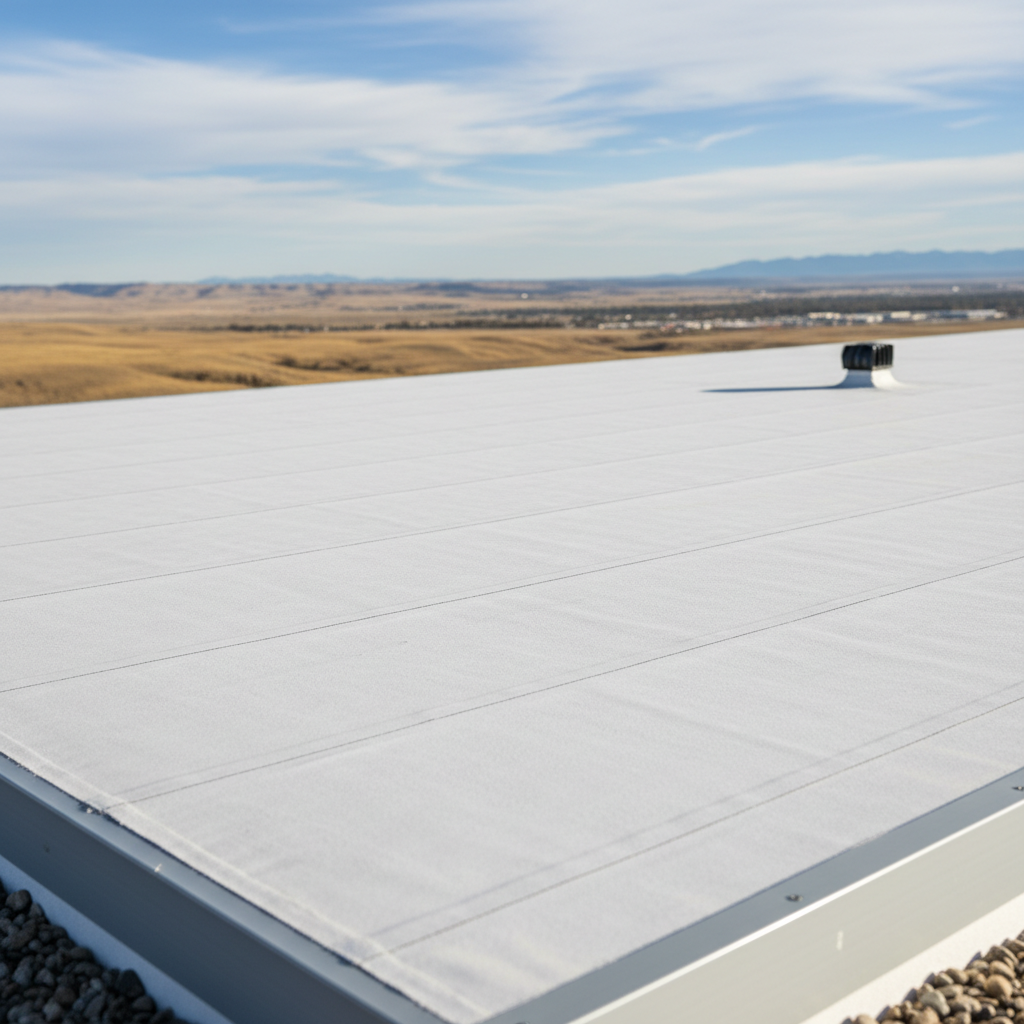
Alright, let's talk TPO roofing for your house. Now, I know what some of you are thinking: TPO is for big commercial buildings, right? And you're not wrong, it's super common on those. But more and more, I'm seeing folks here in Great Falls choose TPO for their residential flat roofs – think garages, additions, or even parts of modern homes with low-slope sections. It's tough, it's energy-efficient, and it can be a really smart choice if you know what you're getting into.
Before the Project: Planning and Prep
So, you're considering TPO. Good call. The first thing you need to understand is that while TPO is durable, it's not a DIY weekend project for most homeowners. This isn't slapping down some shingles. It requires specialized tools, specific installation techniques, and a real understanding of roof decking, insulation, and flashing details.
What can you do yourself before calling in a pro? A lot, actually. Start by clearing off the roof. Get rid of any old debris, leaves, branches, or even old satellite dishes. Take a good look at the existing roof deck. Are there soft spots? Water stains on the ceiling below? These are signs of potential issues that need to be addressed before any new membrane goes down. You might also want to research different TPO thicknesses and colors. Lighter colors, like white or tan, reflect more sunlight, which can be a big plus for keeping your home cooler during our hot Montana summers, saving you a bit on the AC bill.
But when it comes to the actual installation, seriously, call a professional. Trying to install TPO yourself without the right experience usually leads to headaches, leaks, and ultimately, more expense when you have to pay someone to fix your mistakes. We've seen it happen. A good contractor, like us at Top Line Roofing Great Falls, will come out, inspect your roof, and give you an honest assessment of what's needed. They'll check the deck, make sure the drainage is good, and propose the right system for your specific situation.
During the Project: What to Expect
Once you've hired a reputable contractor, what should you expect? Well, first off, expect some noise and activity. Roofing is a construction project, after all. The old roof will need to be torn off, which can be messy. Make sure your contractor has a plan for debris removal and protecting your property.
The installation itself involves laying down insulation boards, then rolling out the TPO membrane. The seams are heat-welded together using specialized equipment. This welding creates a watertight bond that's incredibly strong. This is one of the key reasons TPO is so effective and why it's not a DIY job. You need precise temperatures and techniques to get those welds right. If they're not done perfectly, you'll have leaks. And nobody wants that.
Your contractor should also be paying close attention to flashing around any penetrations like vents, skylights, or parapet walls. These are critical areas where leaks often start if not done right. Don't be afraid to ask questions during the process. A good roofer will be happy to explain what they're doing and why.
After the Project: Care and Maintenance
Alright, the new TPO roof is on. Now what? The beauty of TPO is that it's pretty low maintenance, but 'low' doesn't mean 'no.' You still need to do some basic checks.
- Keep it Clean: Periodically, especially after big storms or during fall, get up there (safely!) and clear off any leaves, dirt, or debris that might have accumulated. Blocked drains or scuppers can lead to standing water, which, while TPO can handle it, isn't ideal long-term.
- Inspect for Damage: Take a look at the surface. Are there any punctures from falling branches? Any signs of delamination at the seams? If you see anything suspicious, don't try to patch it yourself with some caulk. Call your roofer. Small issues caught early are much easier and cheaper to fix than big leaks.
- Check Sealants: Any areas where sealants were used around penetrations should be checked annually. Our harsh Great Falls winters with their freeze-thaw cycles can be tough on sealants.
Remember, TPO is built to last, but like anything, a little care goes a long way. If you're ever unsure about something, or if you spot a problem you can't handle, give a local expert a call. That's what we're here for.