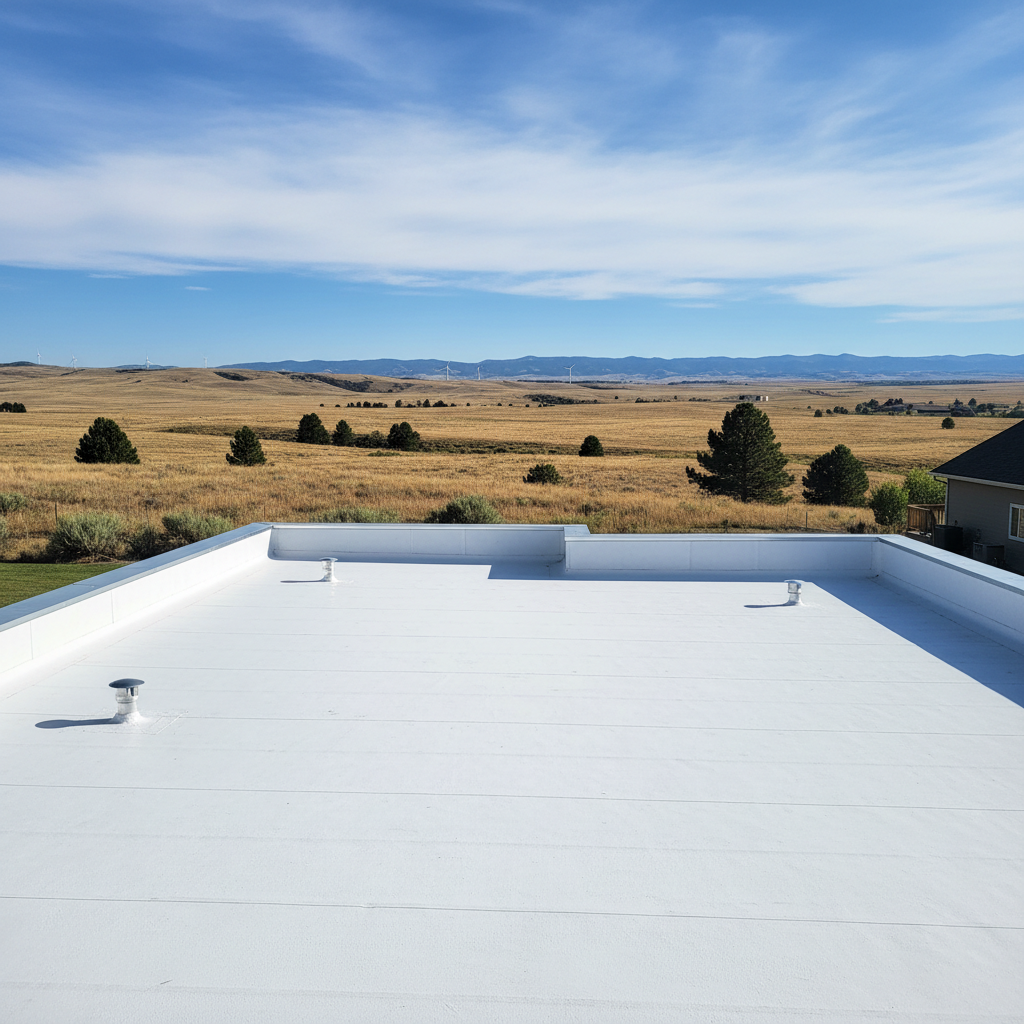
You’ve got a TPO roof on your commercial building, which is a smart choice for durability and energy efficiency. But a TPO roof isn't a magic shield against everything Montana throws at it. Especially here in Great Falls, where we get everything from blizzards and ice storms to 100-degree summer days, you can't just install it and forget it. Proper maintenance is the key to getting every last year out of that investment. I've seen too many good roofs go bad early because folks didn't know what to look for or when to call for help.
Extending Your TPO Roof's Life: It's All About Being Proactive
You want your TPO roof to last 20, 25, even 30 years, right? That’s totally achievable, but it doesn’t happen by accident. It starts with installation, which I won't get into here, but once it's up, it's about staying ahead of the weather and wear. Think of it like changing the oil in your truck; you don't wait for the engine to seize up.
One of the biggest culprits for TPO wear and tear around here is thermal cycling. Our temperature swings can be extreme. A sunny winter day might warm the roof up, then a cold night brings it way down. This expansion and contraction puts stress on seams and flashings over time. Keeping those seams clean and inspecting them regularly helps prevent small issues from becoming big leaks.
Another thing? Debris. We get some serious winds whipping through Great Falls, especially off the mountains. Those winds can blow all sorts of junk onto your roof – branches, leaves, even construction debris from neighboring sites. This stuff holds moisture, which can lead to algae growth or even just sit there, acting like an abrasive against your membrane. Get it off there. Simple as that.
What Regular Maintenance Actually Looks Like
So, what should you be doing? It's not rocket science, but it does take consistency. I recommend a couple of times a year, minimum, for a good walk-through. Spring and fall are usually the best times – after the winter abuse and before the next round of cold hits.
- Clean it up: Clear off any leaves, dirt, branches, or trash. Pay special attention to drains and gutters. If they’re clogged, water can pond on your roof, which is a TPO killer. Ponding water stresses the membrane, can lead to leaks, and in winter, that standing water turns to ice, which is even worse.
- Check the seams: This is huge. TPO seams are heat-welded, and they’re generally very strong. But over time, or with poor initial installation, they can start to lift or separate. Look for any areas where the seam looks like it's peeling or where you can see the underlying insulation. A small lift can become a big problem fast.
- Inspect flashings: These are the areas where the TPO membrane goes up walls, around HVAC units, skylights, and pipes. These are often the first places to fail. Look for cracks, tears, or separation from the vertical surfaces. Make sure the sealant around these areas isn't dried out or cracked.
- Look for punctures or tears: Sometimes things get dropped on the roof, or foot traffic isn't careful. Even hail, though TPO is pretty tough against it, can cause damage. Look for any small holes, cuts, or scrapes in the membrane itself.
- Examine the membrane surface: Is it discolored? Are there any bubbles or blisters? TPO is designed to be reflective, so if it's covered in dirt or algae, it's losing some of its energy efficiency.
- Check for ponding water: After a rain, go up and see if water is sitting for more than 48 hours. If it is, you've got a drainage issue that needs addressing.
Warning Signs You've Got a Problem Brewing
Beyond the regular checks, there are some red flags that mean you probably have an issue that needs attention sooner rather than later. Don't ignore these.
- Stains on your interior ceiling: This is the most obvious one, and by the time you see it, you've already got a leak. Don't wait for this.
- Unusual smells inside: A musty smell can indicate water intrusion and mold growth, even if you don't see visible water.
- High utility bills: If your TPO roof's reflectivity is compromised by dirt or damage, or if there's moisture in your insulation, your energy costs can climb.
- Visible damage from the ground: If you can see bubbling, lifting seams, or obvious rips from the ground, you know it's bad. Get up there or call someone immediately.
- Frequent ponding water: If you notice water consistently sitting on your roof after every rain, that's a structural or drainage problem that needs to be fixed.
When to Call a Professional: Don't DIY Everything
Look, I'm all for saving a buck, but some jobs are best left to the pros. For TPO roofing, that's definitely the case when it comes to repairs or major maintenance. You can clean your roof, sure, but attempting to patch a seam or fix a flashing without the right tools and expertise can make things worse, void your warranty, and cost you more in the long run.
You should absolutely call Top Line Roofing Great Falls if you see any of those warning signs I mentioned, or if your regular inspections reveal anything beyond simple debris removal. If you find a lifting seam, a tear, significant ponding, or suspect water has gotten under the membrane, that's our cue. We’ve got the specialized equipment and the know-how to properly diagnose and repair TPO issues without causing further damage. Plus, we understand the specific challenges our Great Falls climate presents for commercial roofs. Don't let a small problem turn into a full-blown roof replacement because you waited too long.