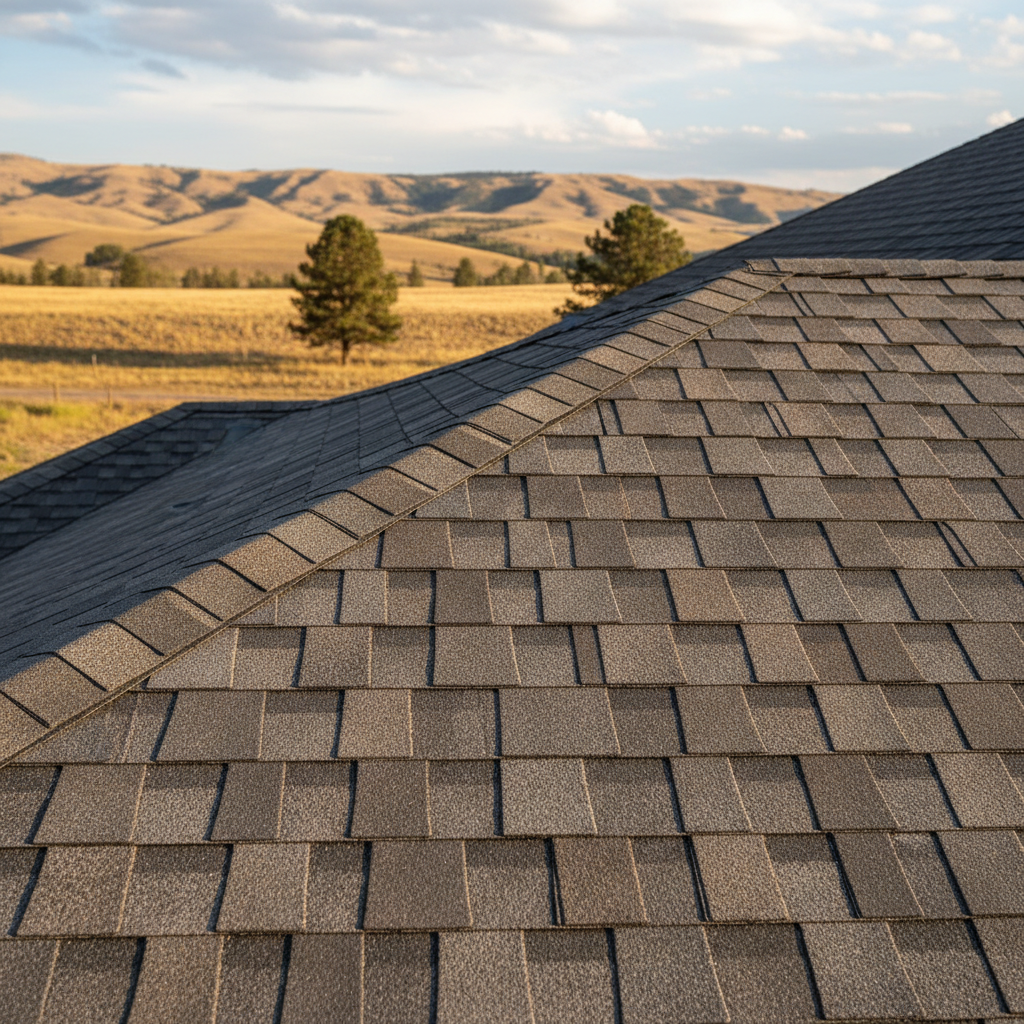
Alright, let's talk roofs. Specifically, getting a new one put on your house here in Great Falls. It's a big deal, a major investment, and something you definitely don't want to mess up. I've seen my share of good jobs and some real head-scratchers over the years, so I want to lay out what you, as a homeowner, really need to know.
Before the Shingles Go On: Planning Your Project
First things first, you've decided you need a new roof. Maybe you've got leaks, missing shingles from a nasty windstorm, or it's just plain old. Before you even think about picking out shingle colors, there's some homework to do.
DIY Prep:
- Budgeting: Figure out what you can realistically spend. Don't just think about the shingles; factor in things like old roof removal, potential wood repairs, permits, and dumpster rental.
- Research Materials: Asphalt shingles are common here, but there are other options like metal, which is great for shedding snow and handling our crazy temperature swings. Look into the pros and cons of each.
- Get Multiple Bids: This is crucial. Don't just call the first guy you see. Get at least three detailed quotes. Make sure they specify everything: materials, labor, tear-off, disposal, warranty, and timeline. A good contractor won't mind breaking it all down for you.
- Check References & Insurance: Always ask for references and call them. And for goodness sake, make sure any contractor you consider is fully licensed and insured. If they're not, you could be on the hook if someone gets hurt on your property.
- Understand the Contract: Read every single word. If you don't understand something, ask. Don't sign anything until you're completely clear on what you're getting and what you're paying for.
When to Call a Pro (Always):
- Inspections: Unless you're comfortable climbing on your roof and know what to look for, get a professional inspection. They'll spot things you'd miss, like soft spots in the decking or subtle signs of water damage.
- Material Selection Guidance: A good contractor can help you choose the right materials for your home and our local weather conditions. They know what stands up best to those harsh Montana winters and scorching summers.
- Permits: Most roof replacements require a permit from the city or county. A reputable contractor will handle this for you.
During Installation: What to Expect
Once you've picked your contractor and signed the dotted line, the work begins. It's going to be a bit disruptive, so be prepared.
DIY Involvement:
- Clear the Area: Move your cars, patio furniture, grills, and anything else away from the house. Roofing is messy, and debris will come down.
- Protect Landscaping: If you have delicate plants or garden beds close to the house, cover them with tarps.
- Keep Pets & Kids Safe: This is a construction zone. Keep pets indoors or in a secure area, and make sure kids understand they need to stay clear.
- Communicate: If you have questions or concerns during the project, talk to the crew foreman or the contractor directly. Don't let things fester.
- Listen for Nails: After the crew leaves each day, do a quick sweep around your property for nails. They use magnets, but some always escape. You don't want a flat tire or a punctured foot.
What the Pros Handle (Everything Else):
- Safety: This is their primary concern. They'll have proper fall protection and safety gear.
- Tear-Off: Removing the old roof is dirty and labor-intensive.
- Decking Inspection & Repair: They'll check the plywood or OSB underneath and replace any damaged sections. This is critical for a solid new roof.
- Underlayment & Flashing: Proper installation of ice and water shield, felt paper, and flashing around chimneys, vents, and valleys prevents leaks. This is where a lot of DIYers get into trouble.
- Shingle Installation: Laying shingles correctly, with proper nailing patterns and overlaps, is an art and a science.
- Cleanup: A good crew will clean up thoroughly, often with a magnetic sweep to pick up stray nails.
After the Job is Done: Final Checks & Maintenance
The crew's packed up, the dumpster's gone, and you've got a shiny new roof. But you're not quite done yet.
DIY Post-Project:
- Final Walk-Around: Do a thorough inspection of your property. Check for any remaining debris, nails, or damage to your landscaping.
- Check Inside: Take a look in your attic or crawl space. You shouldn't see any new leaks or signs of water intrusion.
- Review Warranty: Understand both the manufacturer's warranty on the materials and the contractor's warranty on their workmanship. Keep these documents in a safe place.
- Regular Maintenance: Keep your gutters clean, especially with all the cottonwood fluff we get around here. Trim back any tree branches that are rubbing against your roof.
When to Call a Pro (Again):
- Final Inspection & Punch List: Before you make the final payment, walk the roof with the contractor. Point out anything that doesn't look right. Make sure everything in your contract has been completed to your satisfaction.
- Warranty Issues: If you notice any problems within the warranty period, call Top Line Roofing Great Falls immediately. Don't try to fix it yourself; you could void your warranty.
- Annual Inspections: Even with a new roof, it's a good idea to have a professional inspection every few years, especially after a rough winter. They can catch small issues before they become big, expensive problems.
Look, a new roof isn't something you want to skimp on. It protects your biggest investment. Doing your homework and working with a reputable contractor like us will save you a lot of headaches and money down the road. Don't be afraid to ask questions, and always prioritize quality over the lowest bid. You'll be glad you did.