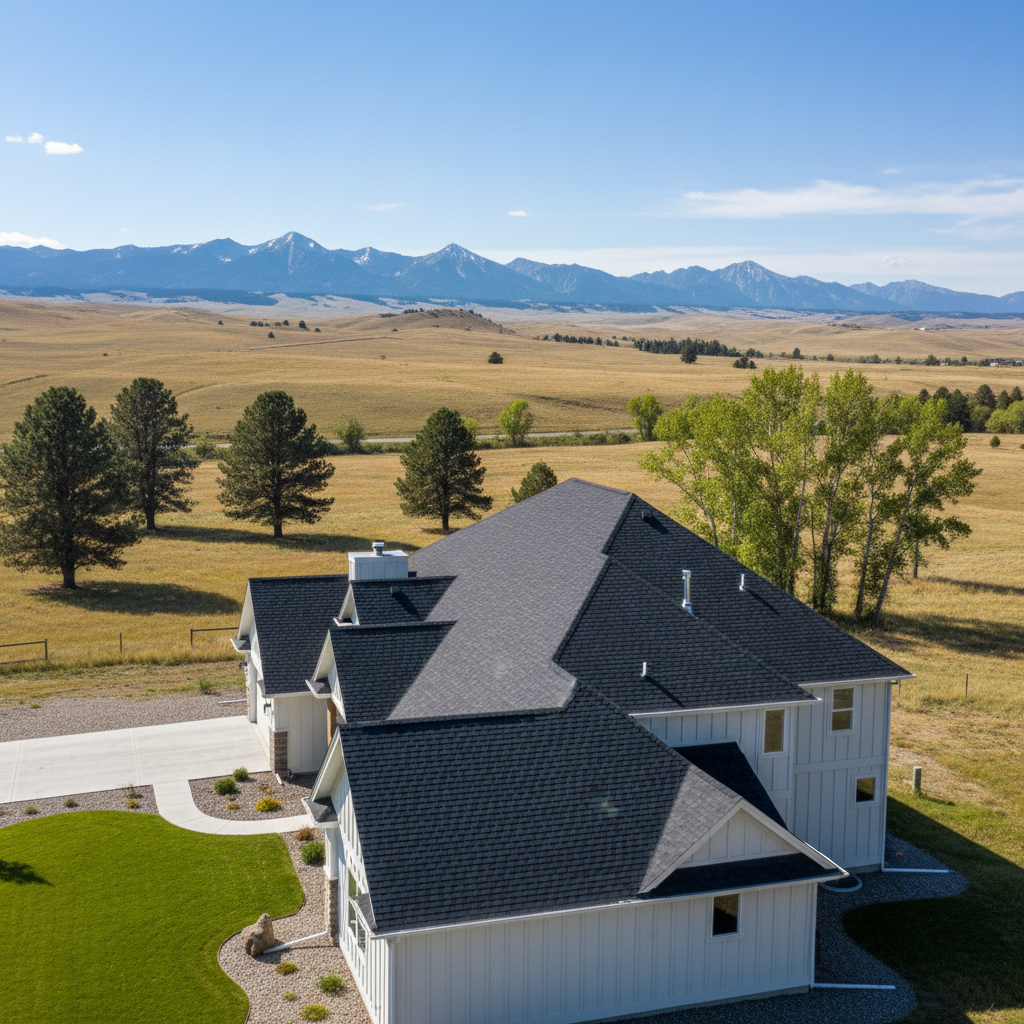
So, you're building a new home here in Great Falls. That's exciting! A new build means you get to pick everything, including the roof. But let's be honest, roofing isn't usually the first thing people think about when they're dreaming up their custom kitchen or master bath. It should be, though. Your roof is your home's first line of defense against our Montana weather, from those brutal winter snowfalls to the hail storms we get in spring and summer. Getting it right from the start is crucial, and it's not something you want to rush.
Understanding Your New Construction Roofing Timeline
When you're building from the ground up, the roofing phase usually slots in after the framing is complete and the sheathing is on, but before things like windows and exterior siding are fully installed. This isn't a one-day job, even for new construction. Here's a general idea of how it usually plays out:
- Initial Consultation & Quote (1-2 weeks): This is where you talk to a roofing contractor, discuss material options (asphalt shingles, metal, etc.), and get a detailed bid. Don't just go with the cheapest option; look for value and experience.
- Material Ordering (2-4 weeks, or more): Once you've picked your materials and signed a contract, we order everything. Supply chains can be tricky, especially for specialized materials, so this isn't always a quick turnaround. Plan for it.
- Permits & Scheduling (1-2 weeks): Your general contractor or the roofing company will handle the necessary permits. Then, we get you on the schedule.
- Installation (3-7 days, typically): For a standard residential new build, the actual installation usually takes less than a week. Bigger, more complex roofs will take longer. Weather can always throw a wrench in this, too.
- Final Inspection: After we're done, the city or county inspector will come out to make sure everything meets code.
From that first call to a completed, inspected roof, you're usually looking at a 6-10 week process, minimum. Don't wait until the last minute to start talking to roofers.
What to Expect During the Process
Once we're on-site, things move pretty fast. Here's what you'll see:
- Delivery of Materials: A big truck will show up with all your shingles, underlayment, flashing, and other supplies. They'll often crane them directly onto the roof deck.
- Safety First: My crew will set up safety equipment, harnesses, and fall protection. We take safety seriously.
- Installation: The team will install the underlayment, then the drip edge, flashing around chimneys and vents, and finally, the shingles or metal panels. It's a systematic process.
- Cleanup: Every day, and especially at the end of the job, we do a thorough cleanup. We use magnets to pick up nails and make sure your property is left tidy. You don't want stray nails around your new home or driveway.
It'll be noisy, and there will be people on your property. That's just how it is. But we work efficiently and respectfully.
How to Prepare Your Site
Since it's new construction, a lot of the site prep is already handled by your general contractor. But here are a few things to keep in mind:
- Clear Access: Make sure there's a clear path for material delivery trucks and for our crew to move around the perimeter of the house.
- Protect Landscaping (if any): If you've already started any landscaping or have delicate features near the house, let us know so we can take extra precautions.
- Communicate: Keep the lines of communication open with your general contractor and us. If there are any changes to the build schedule, we need to know.
Questions to Ask Before Signing a Contract
Before you commit to a roofing contractor for your new build, you need to ask some pointed questions. Don't be shy.
- Are you licensed and insured in Montana? This is non-negotiable. You need to know they're legitimate and that you're protected if something goes wrong.
- What kind of warranty do you offer on labor and materials? A good contractor will stand behind their work. Most material manufacturers offer their own warranties, but you want to know about the installer's warranty too.
- Can you provide references from other new construction projects? Seeing their past work and talking to other builders or homeowners gives you peace of mind.
- What's your process for handling unexpected issues or change orders? Sometimes things come up. You want to know how they'll communicate and resolve them.
- What's your safety plan? Especially on a busy construction site, knowing they prioritize safety is important.
- How do you handle cleanup? A professional crew leaves the site spotless.
- What specific materials do you recommend for Great Falls weather? We deal with high winds, heavy snow loads, and temperature swings. A local expert like Top Line Roofing Great Falls will know exactly what stands up best to our conditions, whether it's specific shingle types or metal roofing options.
Choosing a roof for your new home isn't just about aesthetics; it's about long-term protection and peace of mind. Take your time, ask the right questions, and pick a contractor you trust. It'll pay off for decades to come.