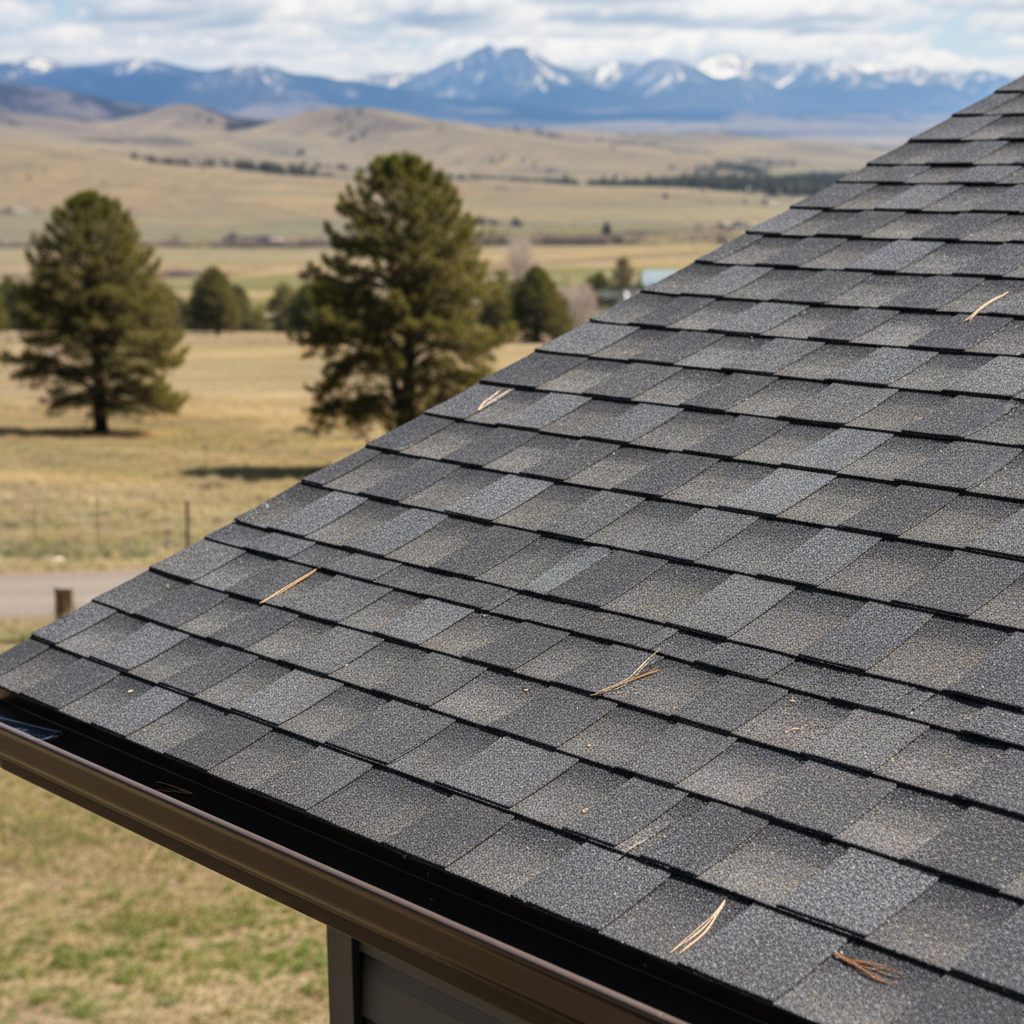
What's the real difference between a repair and a full replacement?
This is probably the most common question I get, and honestly, it's a good one. A repair means we're fixing a specific, localized problem – maybe a few missing shingles, a small leak around a vent, or some flashing that's come loose. We're patching it up, making it watertight again, and trying to squeeze a bit more life out of your existing roof. A full replacement, on the other hand, is exactly what it sounds like: we're tearing off the old roof right down to the deck and installing a brand-new system. This includes new underlayment, new flashing, new shingles, and often new ventilation. You're essentially getting a complete reset.
So, when do you choose which? If your roof is relatively young (say, under 15 years for asphalt shingles) and the damage is isolated, a repair is usually the way to go. But if your roof is old, has widespread damage, multiple leaks, or you're seeing granule loss everywhere, especially on those south-facing slopes, then a replacement is often more cost-effective in the long run. Trying to patch up an old, failing roof is like putting a band-aid on a broken arm – it might hold for a bit, but it's not solving the core problem, is it? We'll always give you an honest assessment of what makes the most sense for your specific situation.
How long does a typical roof replacement take in Great Falls?
Most homeowners are surprised by how quickly we can get a roof replacement done, especially if they're picturing weeks of disruption. For an average-sized residential roof here in Great Falls, say a 1,500 to 2,500 square foot home, we can usually tear off the old roof and install the new one in 1 to 3 days. That's assuming good weather, no major structural surprises once we get the old stuff off, and a straightforward roof design. Complex roofs with lots of peaks, valleys, or steep pitches, or very large homes, might take a bit longer, maybe 4-5 days.
Keep in mind, that's just the actual installation time. There's always some lead time for materials, scheduling, and permits. We work hard to minimize the disruption to your daily life. We'll protect your landscaping, clean up thoroughly, and make sure we're not leaving a mess behind. We know you've got things to do, and we're not here to camp out on your property for weeks on end.
What kind of warranty should I expect on a new roof?
Warranties are a big deal, and you should absolutely understand what you're getting. There are usually two main types of warranties you'll deal with: the manufacturer's warranty and the contractor's warranty.
- Manufacturer's Warranty: This covers the materials themselves – the shingles, underlayment, flashing, etc. For asphalt shingles, you'll typically see warranties ranging from 25 years to 'lifetime' (which usually means 50 years for the original homeowner). These warranties usually cover defects in the product. Some manufacturers offer enhanced warranties if you use a complete system of their products and have it installed by a certified contractor like us at Top Line Roofing Great Falls. These enhanced warranties can cover labor costs for repairs in addition to materials, which is a huge benefit.
- Contractor's Warranty (Workmanship Warranty): This covers the installation itself. It guarantees that we've installed the roof correctly, according to manufacturer specifications and local building codes. Our workmanship warranty typically runs for 5 to 10 years, sometimes more depending on the project. This is crucial because even the best materials won't perform if they're installed poorly.
Always get both warranties in writing and make sure you understand what they cover and for how long. Don't be afraid to ask questions about exclusions or what might void the warranty.
Do I need to be home during the roof replacement?
No, you don't necessarily need to be home for the entire duration of the project. We understand people have jobs and lives. We'll need access to your property, of course, and usually an outdoor power outlet. We'll also need to be able to get our materials delivered and debris removed. We'll communicate with you every step of the way, letting you know when we'll be there, what to expect, and if anything unexpected comes up.
Before we start, we'll do a walk-through with you to discuss any specific concerns, like delicate landscaping or access points. We'll make sure your pets are safe and that anything valuable is moved away from the house. Many homeowners pop in and out, or just check in at the beginning and end of the day. As long as we have clear communication, it usually goes smoothly.
What about ventilation? How important is it for my new roof?
Ventilation isn't just important; it's absolutely critical for the longevity of your roof and the comfort of your home, especially with our hot summers and cold winters here in Great Falls. Good attic ventilation does a couple of big things:
- Extends Roof Life: In the summer, it helps hot air escape your attic, preventing heat buildup that can cook your shingles from the underside and shorten their lifespan. In the winter, it helps prevent moisture buildup, which can lead to mold, mildew, and rot. Proper ventilation keeps the attic temperature closer to the outside temperature, which helps prevent ice dams too.
- Energy Efficiency: A well-ventilated attic means your HVAC system doesn't have to work as hard to cool your home in the summer, saving you money on energy bills.
We'll assess your current ventilation system – soffit vents, ridge vents, gable vents, power vents – and recommend improvements if needed. Sometimes, older homes in neighborhoods like the Riverview area might have minimal or outdated ventilation, and upgrading it during a roof replacement is a smart investment. It's not just about the shingles; it's about the whole system working together.
How do I choose the right contractor for my roof replacement?
Choosing the right contractor is probably the biggest decision you'll make after deciding to replace your roof. Don't just go with the cheapest bid. Here's what I tell folks to look for:
- Local and Established: Hire someone with a physical office and a long-standing reputation in Great Falls. Storm chasers come and go, but a local company like Top Line Roofing Great Falls is invested in the community and will be here if you need them years down the road.
- Licensed and Insured: This is non-negotiable. Ask for proof of both. A legitimate contractor will carry general liability insurance and workers' compensation. If they don't, you could be liable for accidents on your property.
- References and Reviews: Check their online reviews (Google, BBB, etc.) and ask for local references. Talk to past customers.
- Detailed Estimate: A good contractor will provide a clear, written estimate that breaks down all costs, materials, scope of work, and payment schedule. No hidden fees.
- Communication: Do they answer your questions thoroughly? Do they seem knowledgeable and trustworthy? Good communication before, during, and after the project is key.
- Warranty: As I mentioned, understand their workmanship warranty and what manufacturer warranties they offer.
It's your home, your biggest investment. Take your time and choose wisely. You want a quality job that lasts, not just a quick fix.