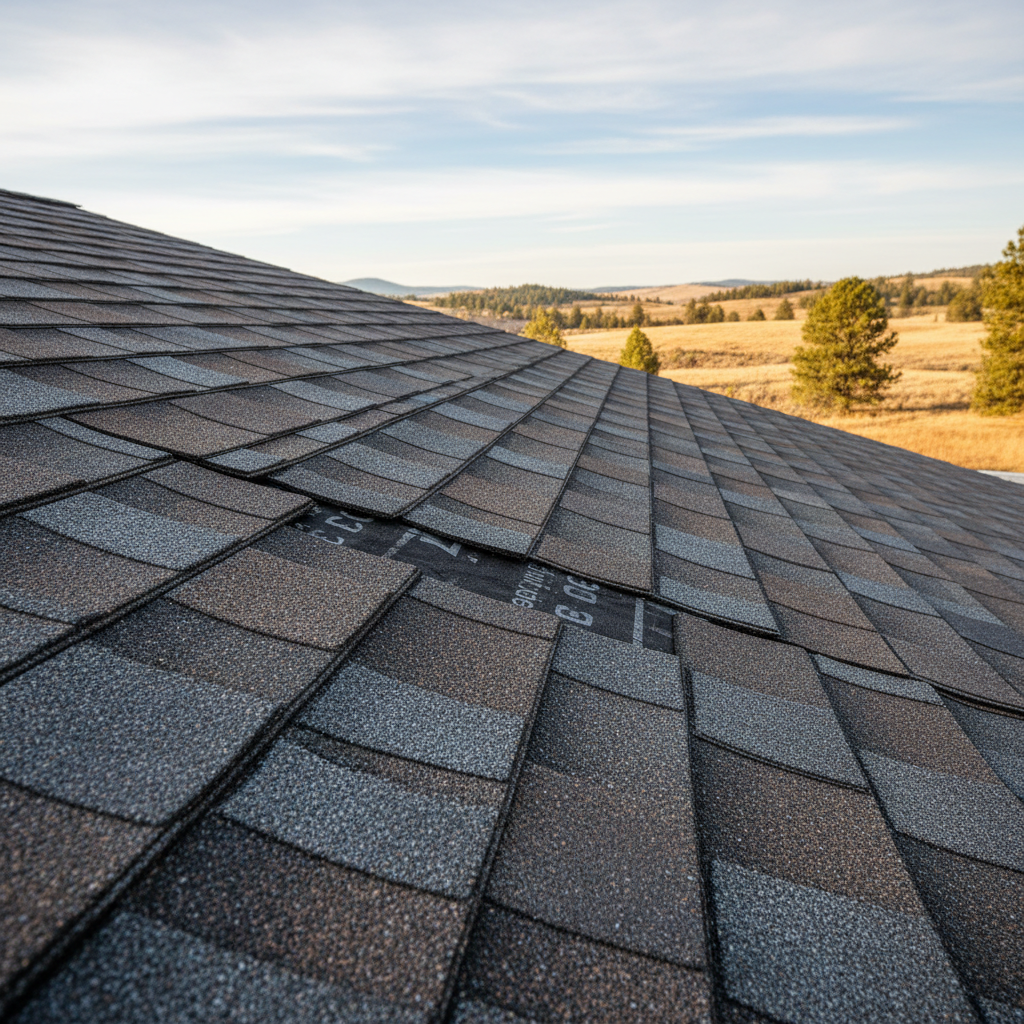
Got a leaky roof? Or maybe you spotted some shingles flapping around after a good Great Falls gust? That's a common headache for homeowners, and your first thought might be, "Can I just fix this myself?" Sometimes, sure, you can. Other times, though, you really need to step back and call in the cavalry. Let's talk about what you need to know when it comes to roof repair, from start to finish.
Before You Do Anything: Safety First, Always
I can't say this enough: your safety is the most important thing. If you're not comfortable on a ladder, or if your roof is steep, wet, or covered in ice (which, let's be honest, happens a lot here in the winter!), then please, do NOT get up there. A fall from a roof can change your life forever. Seriously. Even if you're just looking, make sure your ladder is stable on level ground, and have someone spot you if you can. Wear sturdy, non-slip shoes. If you have any doubts at all, just stay on the ground and use binoculars.
What You Might Be Able to Handle Yourself
There are a few minor roof issues that a handy homeowner can often take care of. These are usually small, isolated problems:
Replacing a few missing shingles: If a couple of shingles blew off, and you happen to have spares (always a smart move to keep a bundle or two from your last roof job!), you might be able to slide new ones into place. You'll need a pry bar, a hammer, roofing nails, and some roofing cement. Just be gentle when you lift the tabs of the surrounding shingles so you don't crack them, especially when it's cold outside.
Sealing small cracks or nail pops: Sometimes, a tiny leak comes from a nail that's popped up or a small crack in a vent boot. A tube of good quality roofing sealant or flashing cement can often stop these leaks. Clean the area really well first, make sure it's dry, and then apply the sealant generously.
Clearing clogged gutters and downspouts: This isn't strictly a roof repair, but clogged gutters can cause water to back up under your shingles. That leads to leaks and fascia damage, you know? Keep them clear, especially after the cottonwood trees shed their fluff or following a big storm.
Remember, these tips are for very minor, obvious issues. If you're not sure what's causing the problem, or if it looks like more than just a quick patch, that's when you need a pro.
When It's Time to Call a Professional Roofer
Look, I'm a contractor, so maybe you think I'm biased. But I've seen too many homeowners try to fix something themselves, only to make it worse and end up with a much bigger, more expensive problem later on. Here's when you absolutely should call Top Line Roofing Great Falls, or another reputable local company:
Any active leak you can't pinpoint: If water's coming in but you can't see an obvious source from the ground or a safe inspection point, you need an expert. Leaks can travel, and the entry point might be far from where you actually see the drip.
Extensive shingle damage: If you have large sections of missing shingles, or if they're curling, cracking, or blistering across a wide area, that's definitely beyond a DIY fix. This often points to widespread wear or storm damage.
Damaged flashing: Flashing around chimneys, skylights, and vent pipes is super important for keeping water out. If it's bent, rusted, or pulled away, it needs professional attention. Fixing flashing incorrectly is a leading cause of leaks, believe it or not.
Sagging roof deck: This is a serious structural issue. If you notice your roofline dipping or sagging, don't even think about getting on it. Call us immediately. This could be due to water damage to the decking or rafters, or even stress from heavy snow loads over time.
After a major storm: High winds, hail, or heavy snow can do a lot of damage you just can't see from the ground. Even if you don't spot any obvious leaks, it's smart to get a professional inspection after a significant weather event. Especially with our Chinook winds, things can get torn up fast.
If you need to get on a steep roof: I mentioned this before, but it's worth repeating. If your roof has a steep pitch, leave it to the pros who have the right safety gear and experience.
During the Repair Project (Whether DIY or Pro)
If you're doing a small DIY repair, make sure you're working on a dry day with moderate temperatures. Extreme cold can make shingles brittle, and extreme heat can make them soft and easily damaged. Take your time. Don't rush it.
If you've called us in, you can expect us to do a thorough inspection, give you a clear estimate, and explain exactly what needs to be done. We'll make sure to protect your landscaping and clean up thoroughly after the job. Good communication is key, so please, don't hesitate to ask questions.
After the Repair: What to Watch For
Once the repair is done, whether by you or by Top Line Roofing Great Falls, keep an eye on the area. After the next rain, check inside your house to make sure the leak is truly gone. Look for any new stains or drips. On the exterior, periodically check the repaired spot to make sure everything is holding up. Shingles should lie flat, and any sealant should be intact.
Regular maintenance, like keeping your gutters clean and doing a visual check of your roof from the ground a couple of times a year, can help you catch small issues before they become big, expensive headaches. Being proactive is your best defense against major roof problems here in Great Falls.