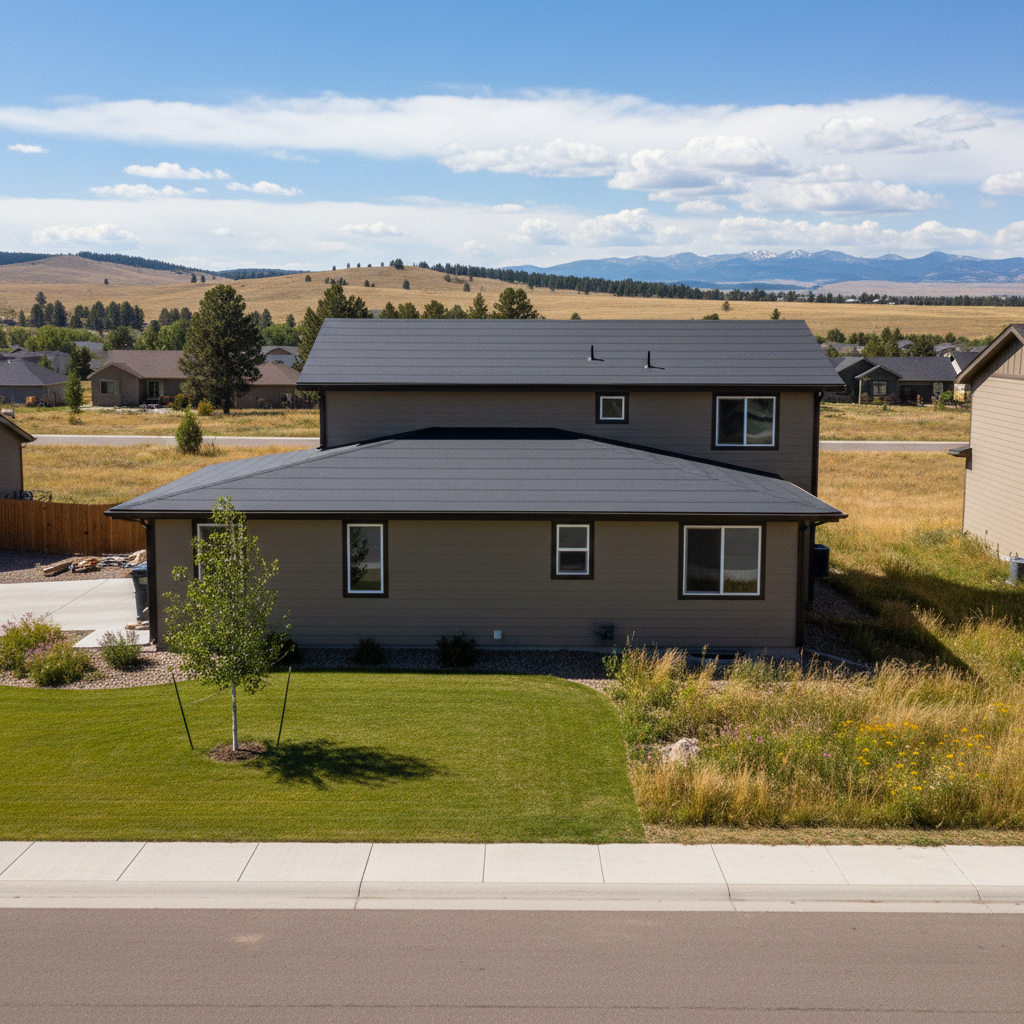
Flat roofs. When you hear that, you probably picture a big box store or an industrial building downtown. But you know what? We see a lot of them on homes and smaller businesses right here in Great Falls, especially on additions, garages, and even some of those mid-century modern places out in the Riverview area. They're not as common as a steep-sloped asphalt shingle roof, sure, but they're definitely around, and they need a different kind of care.
Why Flat Roofs Are Different Here
First off, let's clear up a common misunderstanding: no roof is truly 'flat.' They all have a slight slope, usually just enough to drain water. But that slope is minimal compared to a typical pitched roof. This means water doesn't shed off as quickly. In Great Falls, with our heavy snowfalls and then those quick thaws, that can be a real issue. You get snow piling up, then it melts slowly, and water can sit there for days. That standing water, or 'ponding,' is a flat roof's worst enemy, no question.
We also deal with some pretty extreme temperature swings. A hot summer day followed by a freezing winter night puts a lot of stress on roofing materials. They expand and contract, and over time, that can lead to cracks, splits, and seam failures. If you've got an older flat roof, say a built-up roof (BUR) with gravel, you might see areas where the gravel has washed away, exposing the membrane to the sun's UV rays, which breaks it down fast.
Common Flat Roof Materials We Work With
There are a few main types of flat roofing systems we install and repair around here:
- TPO (Thermoplastic Polyolefin): This is a popular choice for commercial buildings and residential flat roofs. It's a single-ply membrane, usually white, which reflects sunlight and can help with energy efficiency. It's durable, relatively easy to install, and holds up well against our weather. We've put a lot of TPO on everything from small garage additions to larger apartment complexes.
- EPDM (Ethylene Propylene Diene Monomer): Often called 'rubber roofing,' EPDM is another single-ply option. It's very flexible, which is great for those temperature fluctuations, and it's known for its longevity. It's usually black, so it absorbs more heat than TPO, but it's a solid, reliable choice.
- Modified Bitumen: This is a more traditional system, often installed in rolls using a torch-down method or self-adhered. It's basically an asphalt-based product with modifiers to make it more flexible. It's tough and provides good waterproofing, but installation requires specialized skills, especially with torching.
We don't see as many old tar and gravel roofs getting installed anymore, but we definitely still repair them. When it's time for a full replacement, most folks opt for TPO or EPDM for their performance and value.
Why Local Expertise Matters for Flat Roofs
You can't just call any roofer for a flat roof. It's a different beast than shingle work. The details, the flashing, the drainage plan – it all has to be spot on. If it's not, you're going to have leaks, and those leaks can be a real headache to track down on a flat surface.
Here at Top Line Roofing Great Falls, we've got years of experience dealing with the specific challenges our Montana climate throws at flat roofs. We know how to design a system that handles heavy snow loads, withstands those brutal temperature swings, and ensures proper drainage even on a minimal slope. We're not just slapping down material; we're engineering a solution for your building. We'll look at your specific situation, whether it's a small porch roof or a large commercial building, and recommend the best system for your budget and needs. Don't let a small flat roof problem turn into a big one because someone didn't know what they were doing.
Maintenance is Key
Because water doesn't run off as quickly, flat roofs need a bit more attention. You should be regularly clearing off debris – leaves, branches, anything that can block drains or scuppers. After a big snow, it's a good idea to check for excessive ponding. If you see water sitting there for more than 48 hours after a rain or melt, you've got a drainage problem that needs to be addressed. A quick inspection once or twice a year can catch small issues before they become major leaks. It's a lot cheaper to fix a small seam separation than to replace a whole section of decking because of water damage.