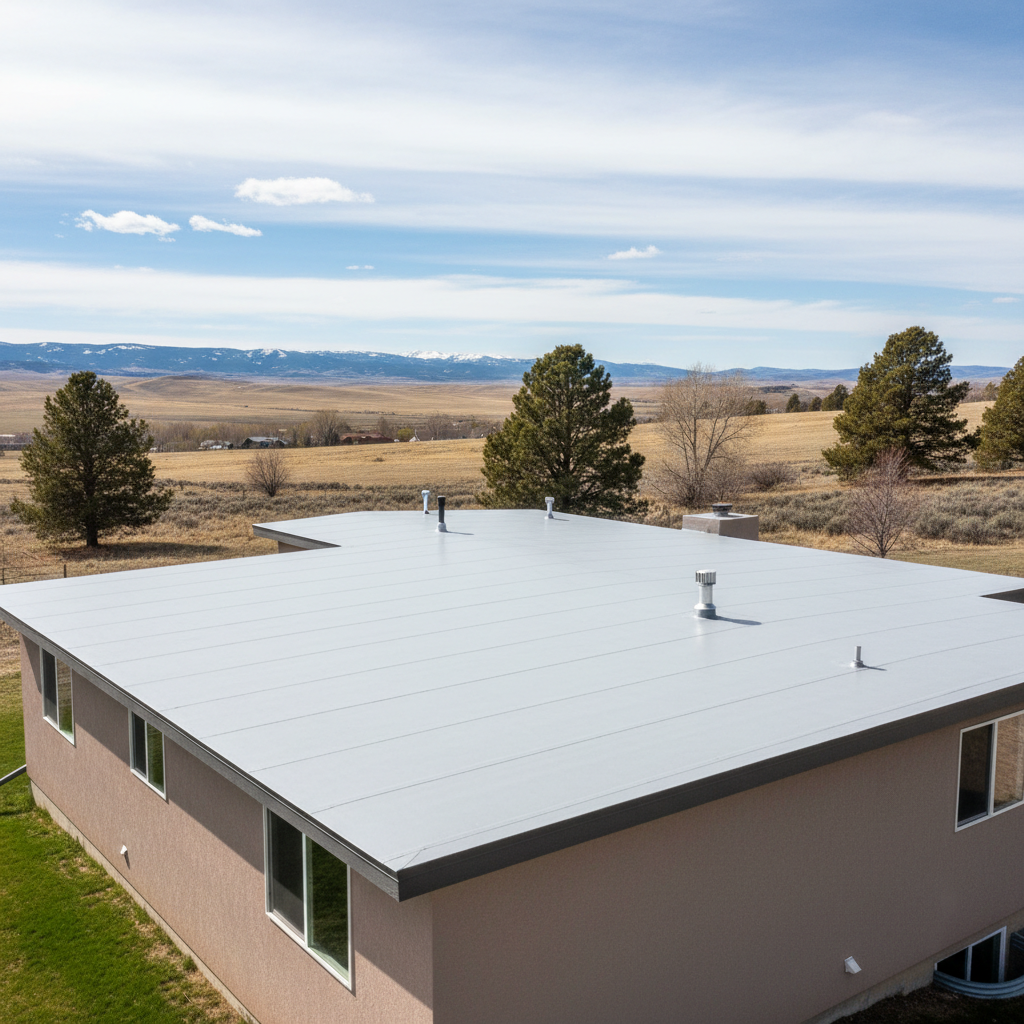
Alright, let's talk flat roofs. If you own a commercial building here in Great Falls, chances are you've got one. And if you want that roof to last as long as it's supposed to – and save you a ton of headaches and money down the line – you've got to take care of it. It's not rocket science, but it does require some attention.
Why Flat Roof Maintenance is a Big Deal Here
You know how our weather is in Montana. We get those brutal winters with heavy snow loads that sit for months, then the spring thaws, often followed by hail in the summer, and those crazy wind gusts that can rip through town. All of that is tough on any roof, but especially flat roofs. They don't shed water as easily as a pitched roof, so any little crack or seam separation can turn into a major leak fast. Plus, the constant freeze-thaw cycles we see can really put stress on the membrane and flashing.
Extending Your Flat Roof's Lifespan: The Basics
Think of it like changing the oil in your truck. You wouldn't skip that, right? Same goes for your roof. Here's what I tell my customers:
- Regular Inspections are Key: You or someone on your team should be up there at least twice a year. Once in the fall before the snow flies, and again in the spring after the thaw. After any major storm – especially those big hail events or high winds – get up there too.
- Keep it Clean: Debris is your enemy. Leaves, branches, dirt, even standing water from clogged drains. All of that stuff holds moisture against the roof surface, which can degrade the membrane over time. It also makes it harder to spot problems.
- Mind Your Drains and Scuppers: These are critical. If they're blocked, water can't get off the roof. Standing water is a flat roof's worst nightmare. It adds weight, stresses the membrane, and finds every tiny imperfection to seep through. Make sure they're clear of leaves, ice, and anything else that might stop the flow.
- Trim Overhanging Branches: Any tree branches rubbing against the roof or dropping debris on it need to go. They can scratch the membrane or puncture it during a windstorm.
Warning Signs You Can't Ignore
You don't need to be a roofing expert to spot trouble. Just keep an eye out for these things:
- Ponding Water: This is the big one. If you see water sitting on your roof for more than 48 hours after a rain, you've got a drainage issue or a structural problem causing deflection. That's not normal.
- Cracks, Blisters, or Tears: Walk the roof and look for any breaks in the membrane. Blisters are bubbles where moisture or air is trapped underneath. These can pop and lead to leaks.
- Separated Seams or Flashing: Pay close attention to where different sections of the roof meet, around skylights, vents, and the edges of the roof. If the seams are pulling apart or the flashing is loose, water's going to find its way in.
- Stains on Ceilings or Walls Inside: This is the obvious one. If you see water stains inside your building, you've got a leak. Don't wait; track it down.
- Loose or Damaged Coping/Edge Metal: The metal cap on your parapet walls protects the top of the wall and helps shed water. If it's loose or damaged, water can get into your wall system.
When to Call a Professional (Like Us at Top Line Roofing Great Falls)
Look, you can handle some of the basic cleaning and visual checks yourself. But there are times when you absolutely need to call in the pros. Don't try to patch a major tear yourself with some tar from the hardware store; you'll likely make it worse.
You should call us if you see any significant damage like large tears, widespread blistering, or major seam separations. If you've got persistent ponding water, that often points to a bigger structural or drainage problem that needs a professional assessment. And if you've got an active leak inside, especially after a storm, get us out there quickly. We've got the tools and the experience to properly diagnose the issue and fix it right the first time, preventing further damage to your building's structure and interior.
We deal with these roofs every day, from the older modified bitumen roofs you see in some of the downtown buildings to the newer TPO systems. We know what to look for and how to handle the specific challenges our Montana climate throws at them. A little proactive maintenance and knowing when to call for help will keep your flat roof performing for years to come.