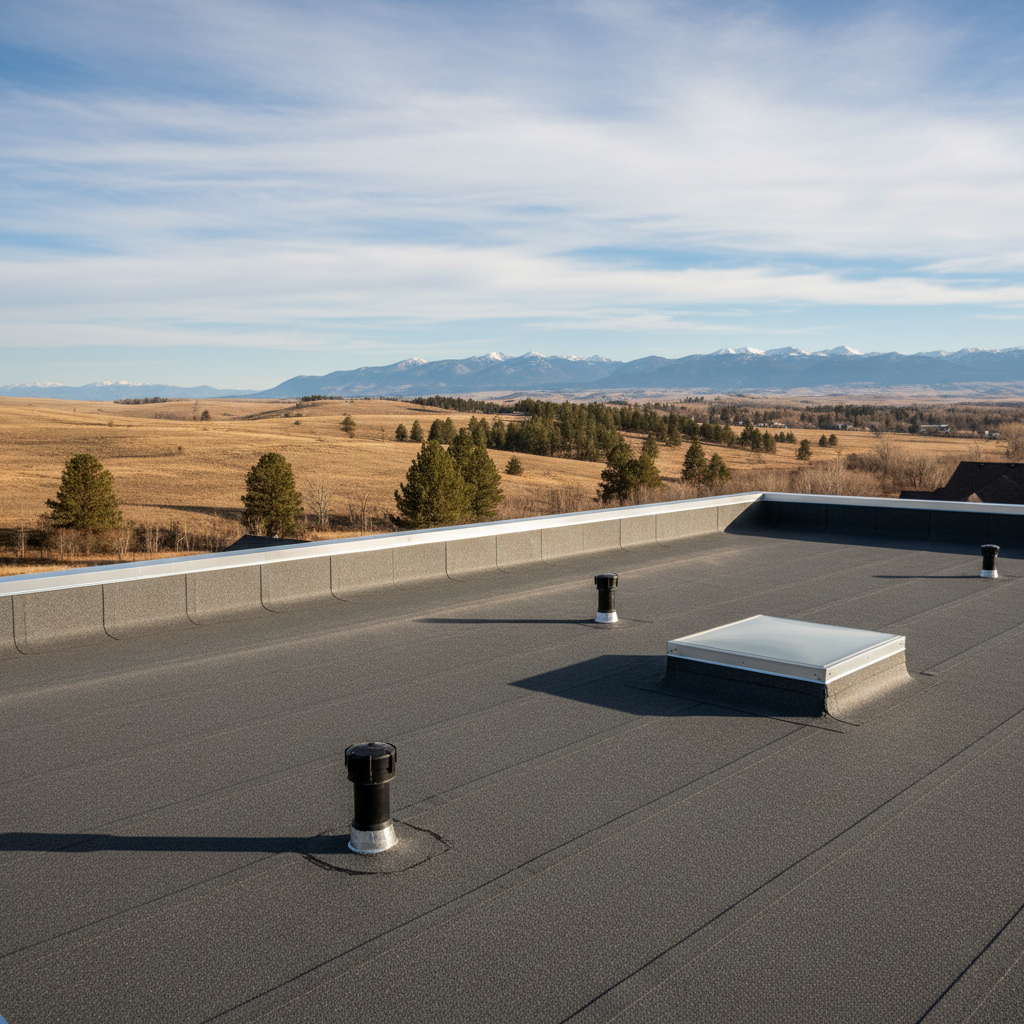
Flat roofs are pretty common here in Great Falls, especially on commercial buildings, but you see 'em on some homes too. They're great for maximizing space and often more cost-effective upfront. But let's be real, they need a different kind of attention than a sloped asphalt shingle roof. If you want your flat roof to last as long as it should, you can't just ignore it. Neglect is the fastest way to shorten its lifespan and open yourself up to expensive problems.
Regular Maintenance: Your Roof's Best Friend
Think of your flat roof like your car. You wouldn't skip oil changes, right? Same deal here. Regular maintenance isn't just a suggestion; it's essential, especially with our wild temperature swings and heavy snow loads in Great Falls. Here's what I recommend you or your maintenance crew do a couple of times a year:
- Clean Off Debris: This is huge. Leaves, branches, dirt, even trash – it all collects on a flat roof. This debris can hold moisture, which is a big no-no for any roofing material, whether it's TPO, EPDM, or modified bitumen. It also hides problems and can clog drains. Get up there (safely!) and clear it all off, especially after big storms or in the fall.
- Inspect Drains and Gutters: Flat roofs rely on good drainage. If your drains, scuppers, or gutters are blocked, water will pond. Ponding water is a flat roof's worst enemy. It puts extra stress on the membrane, can lead to leaks, and speeds up deterioration. Make sure they're clear and flowing freely.
- Check for Membrane Damage: Walk the roof and look for anything unusual. Are there any punctures, tears, or cracks in the membrane? Are seams lifting? Are there any blisters or bubbles? Even small issues can turn into big leaks quickly.
- Look at Flashings: Pay close attention to where the roof meets walls, vents, skylights, or HVAC units. These are common spots for leaks. Make sure the flashing is intact and securely sealed.
Warning Signs You Can't Ignore
Sometimes, even with regular checks, things pop up. Knowing what to look for can save you a lot of headache and money. Don't wait until water's dripping into your office to call someone. Here are some red flags:
- Ponding Water: I mentioned this already, but it's worth repeating. If you see water sitting on your roof for more than 48 hours after a rain, you've got a drainage problem or a structural issue. It's not just cosmetic; it's actively damaging your roof.
- Visible Cracks, Tears, or Punctures: These are obvious entry points for water. Don't try to patch them with tar from a bucket unless it's a true emergency temporary fix. You need a professional repair.
- Lifting Seams or Edges: If the seams where two pieces of membrane meet are coming apart, or if the edges of the roof are peeling up, your roof's integrity is compromised.
- Blistering or Bubbling: These usually mean moisture is trapped underneath the membrane, trying to escape. It weakens the material and can lead to ruptures.
- Stains on Interior Ceilings or Walls: This is the most obvious sign you have a leak, but by this point, the damage is already happening inside. You need to find the source fast.
- Increased Energy Bills: A compromised roof can lose its insulating properties, meaning your heating or cooling system has to work harder.
When to Call a Professional
Look, I'm all for DIY, but some jobs are best left to the pros. When you see any of those warning signs, or if you're not comfortable getting on the roof yourself, it's time to call in a roofing contractor. Here's when you definitely need us:
- Major Damage: If there's significant storm damage, large tears, or widespread issues, don't mess around. You need an expert assessment and repair.
- Persistent Leaks: If you've got a leak that keeps coming back, even after small repairs, it's likely a deeper problem that needs a thorough investigation.
- Aging Roof: Flat roofs have a lifespan, typically 15-30 years depending on the material and maintenance. If your roof is getting up there in age, it's smart to have a professional inspection to discuss repair versus replacement options. We can give you an honest assessment.
- Before and After Winter: A professional inspection before winter can catch small issues that could become big problems with heavy snow and ice. Another check in the spring helps assess any winter damage. Here in Great Falls, with our freeze-thaw cycles and sometimes brutal winds whipping across the plains, this is especially important. We've seen roofs in the Fox Farm area take a beating from those winds.
- You're Unsure: If you're not sure what you're looking at, or if you're uncomfortable with heights, just call us. It's better to be safe and get an expert opinion than to risk injury or further damage to your property.
Keeping your flat roof in good shape isn't rocket science, but it does require attention. A little proactive care goes a long way in extending its life and protecting your investment. If you need help, or just want an honest assessment of your flat roof, give Top Line Roofing Great Falls a call. We're always happy to help our neighbors here in Montana.