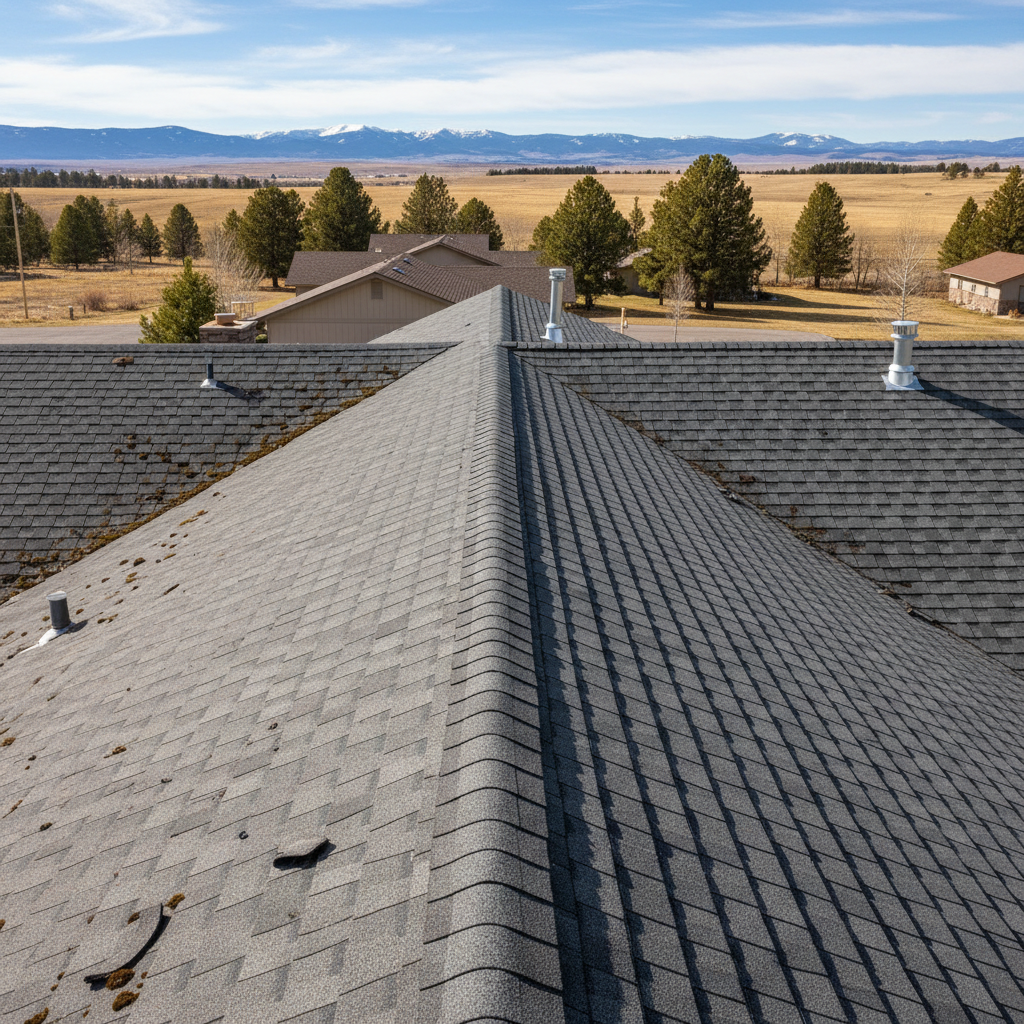
You need your roof inspected, but you've heard about these new drone inspections. Are they any good? Or should you stick with a contractor climbing up there the old-fashioned way? It's a fair question, and one I get asked a lot here in Great Falls. Let's talk about the pros and cons of both, because knowing what you're paying for is always smart.
Traditional Roof Inspection: Boots on the Roof
This is what most folks think of when they picture a roof inspection. A qualified inspector, like someone from Top Line Roofing Great Falls, gets up on your roof, walks it, and physically examines every shingle, flashing, vent, and chimney. They're looking for wear, damage, potential leaks, and anything that might compromise your roof's integrity.
Pros of Traditional Inspection:
- Thoroughness You Can't Beat: When someone's physically on the roof, they can feel soft spots, lift shingles to check for granular loss or hidden damage, and really get up close and personal with every detail. They can see things a camera, even a good one, might miss. They'll check the condition of the sealant around vents and pipes, which is a common failure point.
- Hands-On Assessment: This isn't just about looking; it's about touching. An experienced inspector can tell a lot by the feel of a shingle or the give in a decking board. They can also perform minor, immediate fixes if they spot something simple, like a loose nail or a piece of flashing that's come slightly undone.
- Direct Interaction: You can talk directly to the person who just inspected your roof. They can show you pictures they took up there, explain what they saw, and answer your questions on the spot.
Cons of Traditional Inspection:
- Safety Risks: Climbing on a roof, especially a steep one or one that's wet or icy (which happens a lot around here in the winter months), always carries a risk. Good contractors minimize this with proper safety gear, but it's still a factor.
- Potential for Minor Damage: While rare with experienced professionals, there's always a slight chance of a shingle getting scuffed or dislodged during the inspection, especially on older, brittle roofs.
- Accessibility Issues: Some roofs, due to extreme pitch, height, or complex design, can be difficult or even unsafe to walk on.
Drone Roof Inspection: Eyes in the Sky
Drone technology has really come a long way. These days, drones can capture high-resolution images and even video of your entire roof surface. They fly over, take pictures, and then software often stitches these images together to create a detailed map of your roof.
Pros of Drone Inspection:
- Safety First: No one has to climb on the roof. This eliminates the risk of falls for the inspector and the potential for damage to your roof from foot traffic.
- Speed and Efficiency: A drone can often inspect a roof much faster than a human, especially on larger or more complex homes.
- Access to Difficult Areas: Drones can easily reach parts of a roof that might be dangerous or impossible for a human to access, like very steep gables or areas over fragile skylights.
- Detailed Imaging: The high-resolution cameras can often spot issues like missing granules, cracked shingles, or damaged flashing that might be hard to see from the ground.
Cons of Drone Inspection:
- Lack of Tactile Assessment: This is the big one. A drone can't feel a soft spot, lift a shingle, or check the integrity of sealant. It's purely visual. It can show you a crack, but it can't tell you how deep it goes or if the underlying decking is compromised.
- Weather Limitations: Drones can't fly in high winds, heavy rain, or snow. Given Great Falls' unpredictable weather, this can sometimes delay an inspection.
- Limited Perspective: While great for overall surface views, a drone might struggle to get the right angle to inspect certain areas, like the underside of flashing or within complex valleys, as thoroughly as a human can.
- Interpretation Relies on Software/Operator: The quality of the inspection depends heavily on the drone's camera quality, the pilot's skill, and the software used to analyze the images.
So, Which One Should You Choose for Your Great Falls Home?
For most homeowners in Great Falls, especially if you're dealing with potential storm damage or you suspect a leak, I'm always going to lean towards a traditional, boots-on-the-roof inspection. Here's why:
Our weather here can be brutal. High winds, hail, heavy snow loads – they all take a toll. A drone can show you a missing shingle, but an experienced inspector up there can tell you if the decking underneath is soaked, if the nails pulled out, or if there's secondary damage you can't see from above. They can get right into those tight spots around your chimney where the flashing often takes a beating, or check the sealant around your plumbing vents, which are common leak points after a harsh winter.
Think about it like this: a drone is fantastic for a quick, preliminary check, or for documenting a roof's overall condition for insurance purposes without putting anyone at risk. It's a great tool. But when you really need to diagnose a problem, understand the extent of damage, or get a truly comprehensive health check on your roof, you need human eyes and hands. You need someone who can physically interact with the roof and give you that in-depth assessment.
At Top Line Roofing Great Falls, we use all the tools available to us, but for a truly reliable inspection, we believe in getting up there ourselves. That's how we ensure we're giving you the most accurate assessment and the best advice for protecting your home.