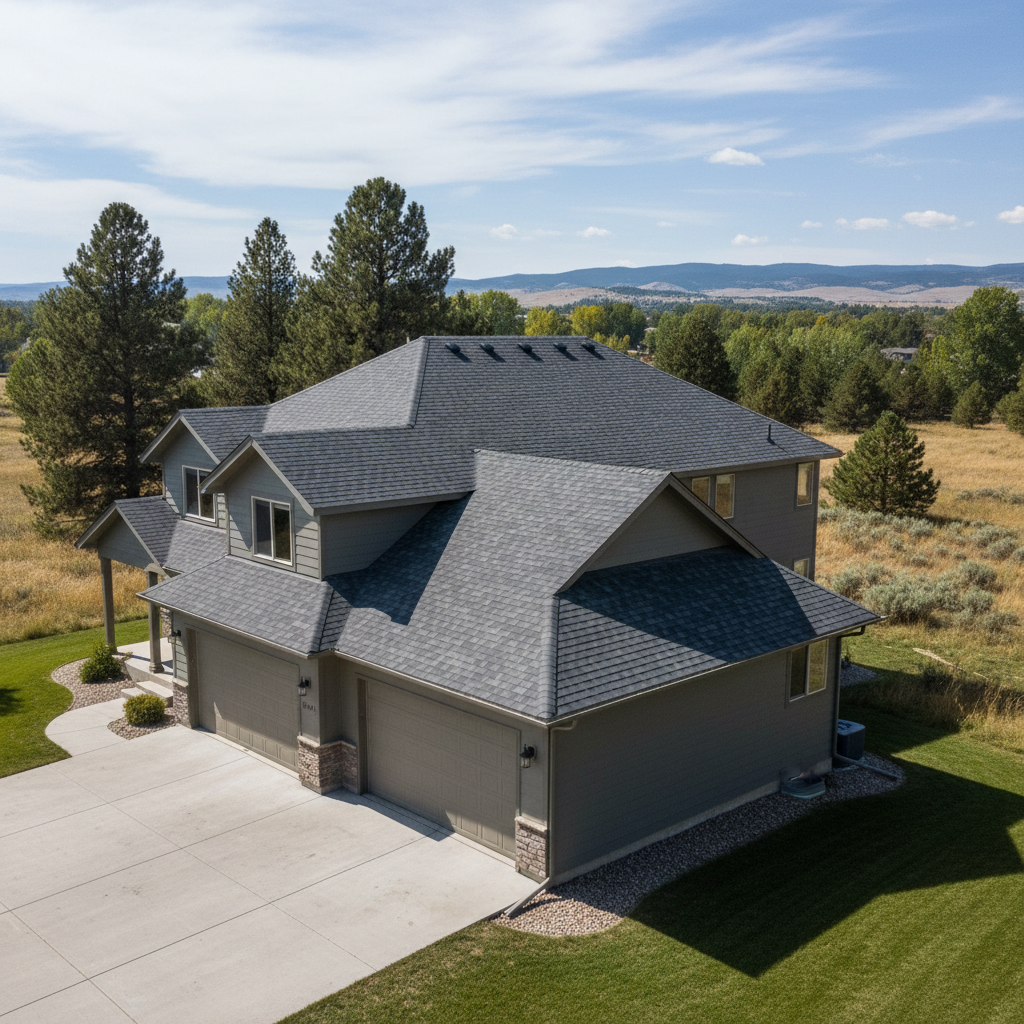
Ever watch a sudden windstorm roll off the Highwood Mountains and test every shingle on your house? If you live around the Gibson Flats or up on the Bench, those gusts do not mess around. Yet people still hire the cheapest fly-by-night roofer they can find off social media, only to watch their new roof peel up the first time a forty-mile-an-hour Chinook wind hits town. Asphalt shingle projects require local know-how, and skipping the vetting process is a quick way to regret your investment.
Here is what you need to watch out for before you sign a contract or hand over a deposit.
Going Solely on the Lowest Bid
Everyone loves saving money, but a bid that comes in thousands lower than everyone else usually means something is getting cut. Either contractors are using low-grade shingles that can not handle Montana's brutal freeze-thaw cycles, or they are skipping important steps like ice and water shield application in the valleys. Top Line Roofing Great Falls spends a lot of time fixing work where cheap contractors slapped new shingles right over rotting decking. Always get three quotes, and if one is wildly lower, ask what corners are being cut.
Ignoring Ventilation Requirements
Your attic needs to breathe, plain and simple. Great Falls winters get bitterly cold, and if your roof lacks proper intake and exhaust ventilation, warm air from your house will melt the underside of the snow pack. That leads straight to ice damming, water backup under your shingles, and ruined drywall inside your living room. A reputable contractor will calculate your attic's square footage and make sure your ridge vents and soffits are actually working together instead of just guessing.
Failing to Verify Local Licensing and Insurance
A handshake and a pickup truck with magnetic signs are not enough. If a worker falls off your roof in the Holiday Village neighborhood and does not carry proper workers' compensation, you could be the one paying for the medical bills. Montana does not require a statewide general contractor license for every roofing job, which sadly invites a lot of out-of-state storm-chasers into our market after a heavy hail event. Ask for proof of general liability insurance and workers' comp right up front, and actually call the insurance agency to verify it is active.
Not Reading the Fine Print on Warranties
There is a big difference between a manufacturer's material warranty and a contractor's workmanship warranty. If a shingle fails because of a factory defect, the manufacturer covers the cost of the shingle, but who pays for the labor to tear it off and put a new one on? If your installer goes out of business next year, getting them back out to fix a leak is very difficult. Look for a certified installer who can offer enhanced system warranties backed by the manufacturer, and make sure you get your workmanship guarantee in writing.
Taking your time upfront saves you major headaches down the road. Do your homework, ask tough questions, and make sure whoever is nailing those shingles down actually plans to stick around Great Falls when winter hits.